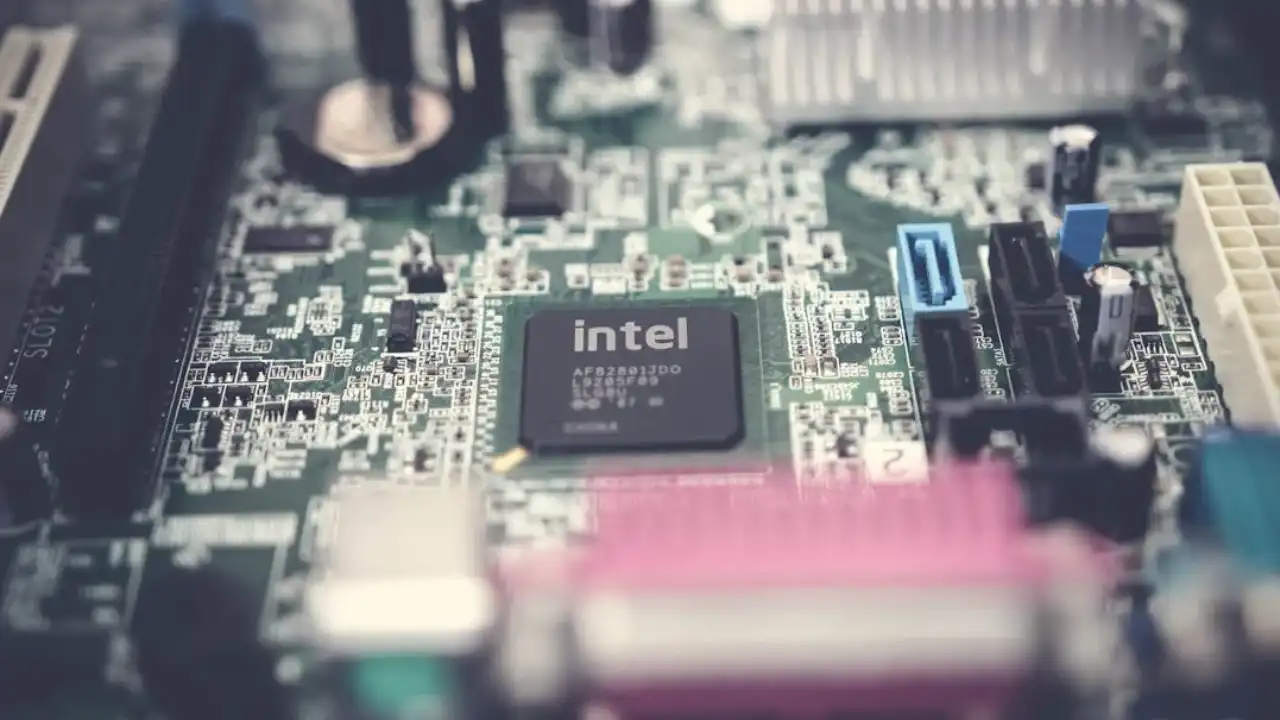

If you’ve been following smartphone chips, the phrase Intel Made Chips on iPhone in 2028 is one of those headlines that makes you pause. It hints at a return — not to the old days when Intel designed Mac CPUs for Apple, but to a new relationship where Intel would fabricate (manufacture) some Apple-designed chips for iPhones. That shift would be meaningful because Apple has relied almost entirely on TSMC for its A- and M-series chip production for years, and a second foundry partner could change supply risk, cost structure, and even geopolitics for Apple.
What the rumors actually say
The reporting is consistent in one core point: Apple is expected to keep designing its own SoCs, while Intel would handle a portion of the manufacturing — likely starting with lower-tier or non-Pro iPhone chips around 2028. In short: Intel would be a foundry, not a designer, for those iPhone chips. Several industry analysts and outlets have circulated this timeline and described Intel’s involvement as manufacturing-focused.
Why 2028 — and which Intel processes are mentioned
Talk of 2028 comes from analyst timelines that place Intel’s advanced nodes (14A and 18A) ramping for Apple production in 2027–2028. Reports suggest Apple might first shift some entry-level or non-Pro A-series silicon to Intel’s 14A node by 2028, after initial M-series fabrication trials on Intel’s 18A process as early as 2027. These process names are Intel’s node branding and indicate the foundry technology Apple would tap for mass production.
What this means for iPhone users
For most people, the change would be invisible day-to-day. Apple would still design the chip architecture and tune performance, so app compatibility and core features should remain the same. The real effects would show up in supply stability, potential pricing strategies, and how quickly Apple can scale production if demand spikes. In some edge cases — like a small variance in power efficiency or modem integration — you might see tiny differences between chips made at different fabs, but Apple’s QA and system-level tuning usually smooth those out.
Why Apple and Intel might want this
Apple benefits by diversifying away from a single supplier (TSMC), which reduces geopolitical and capacity risks. Intel gets a huge vote of confidence — a big customer like Apple would accelerate Intel’s foundry ambitions and help validate its advanced-node roadmap. There are also hints that Intel has been seeking strategic partnerships and investments to strengthen its turnaround, which would make a manufacturing tie-up with Apple strategically attractive for both sides.
My take — cautious optimism
I’m excited but cautious. Rumors have strength when multiple analysts and outlets echo them, and right now several respected sources point toward a plausible 2027–2028 cadence for Intel-fabbed Apple chips. Still, Apple’s timelines and manufacturing decisions are famously conservative — they’ll choose what ensures performance, yield, and reliability first. If Intel does start making iPhone chips in 2028, it will be a careful, phased rollout rather than a sudden swap.
Disclaimer: This blog is based on industry reports and analyst leaks circulating as of December 2025. Nothing here is an official announcement from Apple or Intel; plans can change.