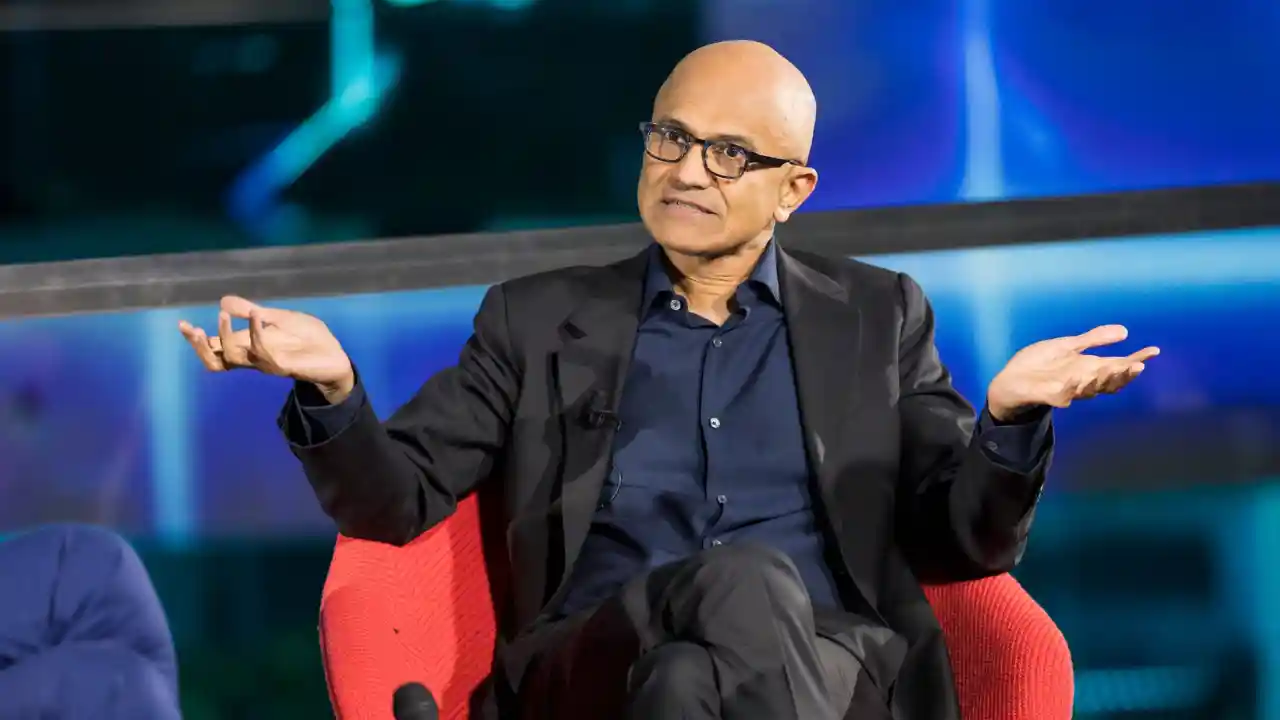

When Microsoft CEO Satya Nadella warns that “AI will not deliver real impact unless humans stay in the loop,” he’s putting a finger on something many of us already sense: powerful models alone don’t guarantee useful outcomes. Across interviews and talks this year, Nadella has reminded leaders and builders that AI’s promise—better productivity, new products, smarter decisions—only becomes real when humans guide, validate, and apply it to meaningful problems. This is not a call to slow down AI; it’s a call to pair speed with judgment and values so the work actually helps people.
The gap between hype and impact
You’ve probably seen dazzling demos of generative AI that write, draw, or code. But Nadella and other leaders have pointed out a reality check: billions have been invested, yet broad real-world value is uneven and often early-stage. The technology can automate tasks and suggest answers, but turning suggestions into trusted, reliable decisions requires human context—what problems truly matter, what constraints exist, and what trade-offs are acceptable. That’s the difference between a cool demo and a tool that actually improves someone’s day at work.
Humans add judgment, values, and accountability
One reason humans must remain central is judgment. AI models don’t know mission, culture, or ethics; they optimize for objectives we give them. People decide those objectives, check outputs against real outcomes, and step in when models fail or produce biased results. Nadella has emphasized that AI should be designed so humans remain controller and custodian—not passive consumers—making sure systems serve positive, measurable goals. In short: humans bring the “why” and the moral compass.
What this means for designers and managers
If you build or manage AI projects, the practical takeaway is straightforward: design for human-in-the-loop workflows. That could mean adding review gates for critical outputs, surfacing model uncertainty to users, training staff to interpret and contest AI suggestions, and aligning incentives so teams measure outcomes (not just model accuracy). Nadella’s perspective suggests companies that adopt AI fast and keep humans engaged will see more meaningful returns than those that treat models as black-box replacements.
How you can apply this today
You don’t need to be a technologist to act. If you’re a team lead, start by asking: where should a human always confirm an AI decision? If you’re an individual contributor, learn to read model outputs skeptically—ask for sources, check for bias, and document surprising results. If you’re a consumer, demand transparency and controls from the services you use. These small practices help keep the human perspective central and make AI outcomes safer and more useful.
Final thought
I find Nadella’s framing refreshing because it reframes the AI debate away from replacement fear and toward partnership. Saying “AI will not deliver real impact unless humans stay in the loop” is both a warning and an invitation: build faster, but build responsibly—with people shaping how AI is used, evaluated, and improved. When we do that, the bulk of AI’s promise—better products, smarter work, and real economic value—becomes much more likely.
Disclaimer: This blog is based on public statements and interviews by Satya Nadella and media coverage; it summarizes viewpoints and practical implications for readers and is not an official Microsoft statement. Sources referenced include recent interviews and reporting on Nadella’s comments.