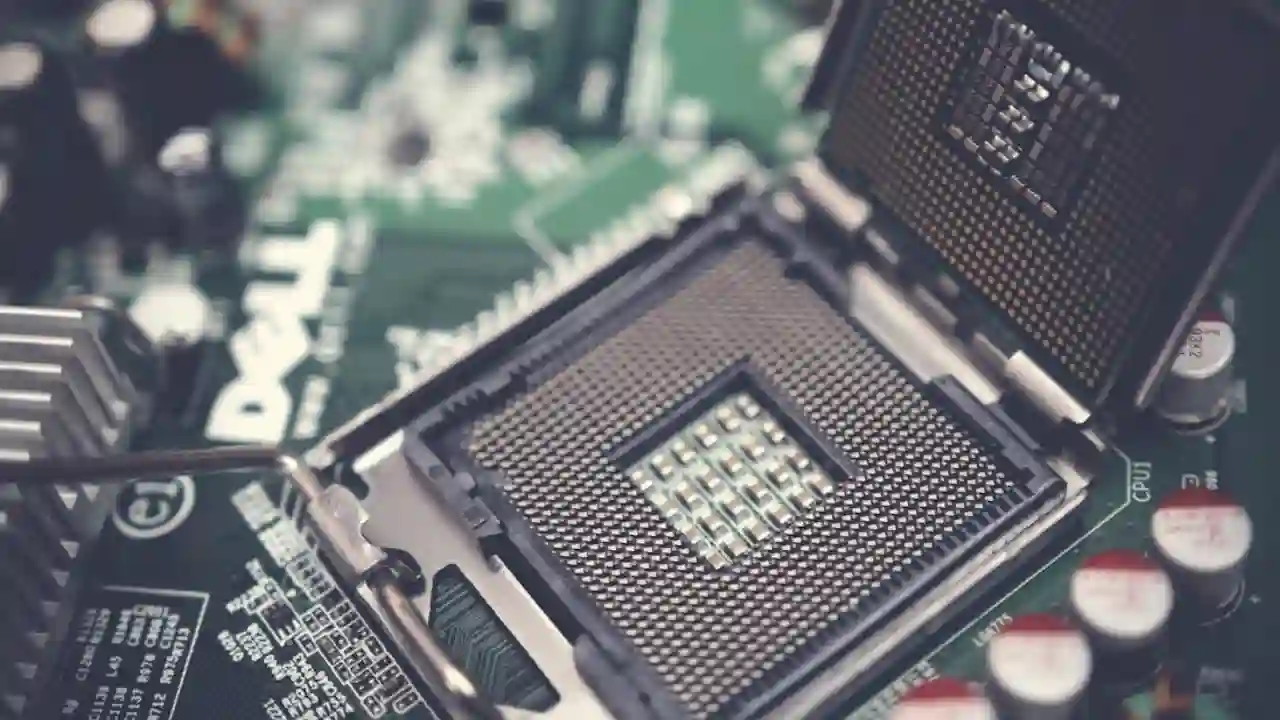

India recently made big tech news with the announcement that India unveils its Dhruv64 chip, marking a major step in the nation’s push toward self-reliance in semiconductor technology. For many of us, chips are hidden inside everyday devices like phones, 5G gear, cars, and smart devices. But behind that small piece of silicon is years of research, engineering and innovation. This latest development isn’t just about a new chip — it’s about India building its own technology future.
What Exactly Is the Dhruv64 Chip?
The Dhruv64 chip is India’s first homegrown 64-bit dual-core microprocessor designed by the Centre for Development of Advanced Computing (C-DAC) under the government’s Microprocessor Development Programme. It runs at 1.0 GHz, supports modern multitasking, and is based on the open-source RISC-V architecture — a flexible and affordable design standard that eliminates expensive licensing fees.
This achievement is important because India has historically relied on foreign companies for most of its semiconductor needs. Now, with Dhruv64, the country has taken an important step toward making its own processing chips that can be used in a range of products and industries.
Why India Unveils Its Dhruv64 Chip Matters
When India unveils its Dhruv64 chip, it signals something bigger than a single technical product. It shows that Indian engineers and researchers are now entering the competitive world of processor design, which has long been dominated by global leaders. For decades, India has imported most processors, even though it consumes nearly 20% of the world’s microprocessors.
With Dhruv64, India can start to reduce that dependence. This chip opens doors for local startups, research projects, and industries to build electronics using homegrown technology. It also helps build expertise within the country — a key ingredient for future breakthroughs that go beyond this first chip.
What Can the Dhruv64 Chip Be Used For?
Though the Dhruv64 chip may not compete head-to-head with high-end processors found in premium laptops or flagship smartphones today, it still has real-world applications. Because of its 64-bit architecture and reliable design, it can be used in:
- 5G network equipment — helping India build its own telecom infrastructure.
- Automotive systems — powering smart functions in connected cars.
- Consumer electronics and IoT devices — like smart sensors and home appliances.
- Industrial automation — controlling machines and smart factory tools.
These are all areas that traditionally use imported chips. Now, India has a chance to build locally designed processors that serve local needs.
Part of a Bigger Plan: Building a Chip Ecosystem
The unveiling of Dhruv64 is just one part of a larger effort. India has launched initiatives like the Digital India RISC-V (DIR-V) Programme, Chips to Startup (C2S), and the India Semiconductor Mission to create a stronger ecosystem for chip design and manufacturing.
Dhruv64 isn’t the first chip India ever designed — earlier projects like SHAKTI, AJIT, and THEJAS processors laid the foundation — but it is one of the most advanced yet and sets the stage for future chips that could be faster and used in more powerful applications.
CDAC is already working on new chips like Dhanush64 and Dhanush64+, which are expected to be more capable and might reach higher speeds and more advanced features in the coming years.
What This Means for India’s Tech Future
For everyday people, hearing India unveils its Dhruv64 chip might sound like a technical headline — but in reality, it’s a reason for pride and optimism. It shows that India is not just using technology created elsewhere, but is now building its own. This shift can lead to more jobs, more innovation, and even new technology products that carry the “Made in India” label with global competitiveness.
Conclusion
India unveiling its Dhruv64 chip is more than just a news story — it’s a turning point. While the chip itself is just the beginning, it represents a larger push toward technological independence. For students, engineers, entrepreneurs, and everyday tech lovers, the message is clear: India is ready to design the future.
Disclaimer: This blog is for informational purposes and reflects available information at the time of writing.