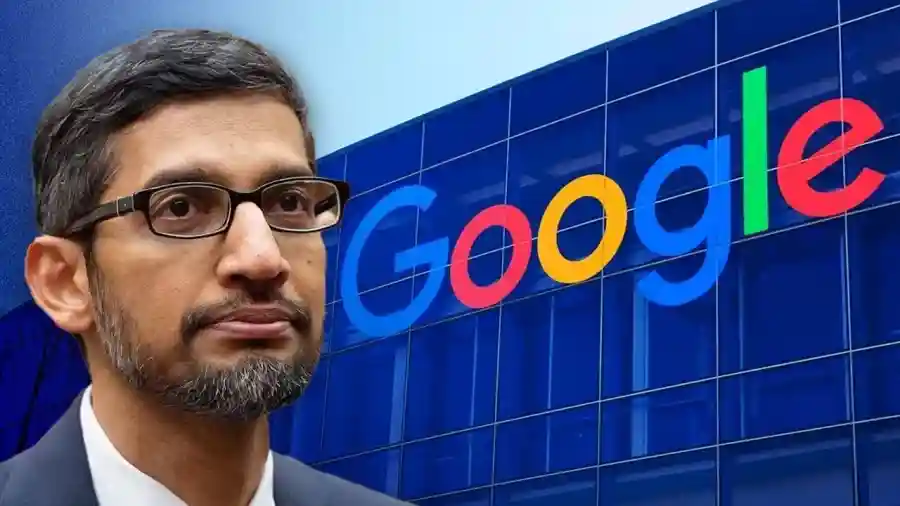

Lately the AI world has felt like a fast-moving drama. First OpenAI faced user backlash over ad-like promotions inside ChatGPT, and now a fresh report claimed Google would bring ads into its Gemini app next year. I spent time checking multiple news sources to understand the real story, and the short version is: Google pushed back strongly, saying those claims are inaccurate. If you care about how AI products remain useful (and not just another ad channel), this one is worth a quick read.
The timeline in plain terms
An industry outlet published a report saying Google had told advertisers it planned to add ad placements to the Gemini app in 2026. That set off alarm bells because it came soon after screenshots and leaks suggested OpenAI was testing promotional content inside ChatGPT. Google’s top ads executive publicly denied the claim, stating there are currently no ads in the Gemini app and no plans to change that. Google also clarified that ads continue to be tested only in specific AI features like AI Overviews and AI Mode, not the core Gemini chat experience.
Why this matters for users and creators
When big AI assistants start showing ads, it changes the relationship we have with those tools. Users expect clear, helpful answers — not targeted promotions buried inside a chat. After OpenAI’s confusing app suggestions, many paying users felt blindsided and demanded clarity. If Google were to add ads to Gemini, creators and users would rightly wonder how recommendations are chosen, whether browsing data is shared with advertisers, and if paid placements might nudge or bias the assistant’s responses. For now, Google’s rebuttal eases those immediate worries, but the episode underscores how monetization debates are moving fast across the whole AI space.
My take
I’m cautiously optimistic about Google’s statement. Hearing “no current plans” from a senior ads leader is meaningful, but tech companies change strategies when pressures rise — from growth targets, from investors, or from competitors. The best outcome for users would be transparent rules: clear labeling for any promotional content, opt-out controls for subscribers, and firm privacy protections. As someone who uses AI tools daily, I’d prefer incremental, user-first monetization (like optional premium tiers) over sneaky ad inserts. If you’re like me, keep an eye on official blog posts and company accounts for any concrete policy updates.
What to watch next
Watch for two things: first, whether Google follows up with a formal blog post or product announcement clarifying where ads may appear (if at all), and second, how regulators and creators respond — there’s growing scrutiny over how big AI models use web content and how monetization might affect fairness. If ads do appear in any AI surface, expect sharper demands for transparency from users and regulators alike.
Bottom line
After OpenAI, Google refutes plans for ads inside Gemini — and that keeps Gemini free from in-chat ads for now. But the industry is experimenting with monetization, and companies are learning the hard lesson that trust is fragile. I recommend staying alert to official statements and choosing paid plans when you want an ad-free, more predictable AI experience.
Disclaimer: This blog reflects my reading of current reports and company statements at the time of writing; companies may update policies later. The information here is for general awareness and not legal or financial advice.